Introduction
Ah, dance! It’s not just a collection of movements; it's an expression, a language, and often, a lifeline for creativity. As parents, we all want our children to thrive in environments that nurture their talents and passions. But when it comes to deciding on a dance style for your child, the options can feel as endless as the music that accompanies them. From ballet to hip-hop and everything in between, the world of dance is rich with possibilities. So how do you choose? Buckle up, because we’re about to dive deep into the rhythmic waters of Finding the Right Fit: Choosing a Dance Style for Your Child.
The Importance of Dance in Child Development
Why Dance Matters
Before we jump into specific dance styles, let’s take a moment to appreciate why dance is crucial for children. Dance is more than just moving to music; it fosters physical health, emotional intelligence, and social skills. According to various studies, engaging in dance can enhance cognitive development and improve memory retention.
Physical Benefits of Dance
- Strength Building: Engaging in various dance forms helps in developing muscle strength. Flexibility: Regular practice increases flexibility through stretching and movement. Coordination: Dancing improves hand-eye coordination and spatial awareness.
Emotional Benefits of Dance
Dance allows kids to express emotions they may not have words for yet. It serves as an outlet for frustration or joy and boosts self-esteem.
Social Benefits of Dance
Group classes encourage teamwork and communication among peers—skills that are invaluable as your child grows.
Understanding Different Dance Styles
Now that we've established the importance of dance let’s break down some popular dance styles your child might be interested in.
Ballet: The Foundation of All Dance Forms
What Makes Ballet Special?
Ballet is often considered the backbone of many other styles due to its focus on technique.
Key Characteristics
- Emphasis on posture Graceful movements Rigorous training routines
Jazz: The Heartbeat of Modern Performance
Exploring Jazz Dance
Jazz incorporates improvisation and can be fast-paced or slow-moving depending on the performance piece.
Key Characteristics
- Syncopated rhythms Energetic movements Strong musicality
Hip-Hop: The Expression of Urban Culture
What Sets Hip-Hop Apart?
Hip-hop embodies self-expression through freestyle movements and vibrant styles.
Key Characteristics
- Street-inspired movements Focus on individuality High-energy routines
Tap Dance: Making Feet Talk
The Unique Charm of Tap Dancing
This style focuses on creating sounds through rhythmical footwork.
Key Characteristics
- Use of tap shoes Emphasis on beats Creativity through improvisation
Contemporary Dance: A Blend of Styles
Understanding Contemporary Techniques
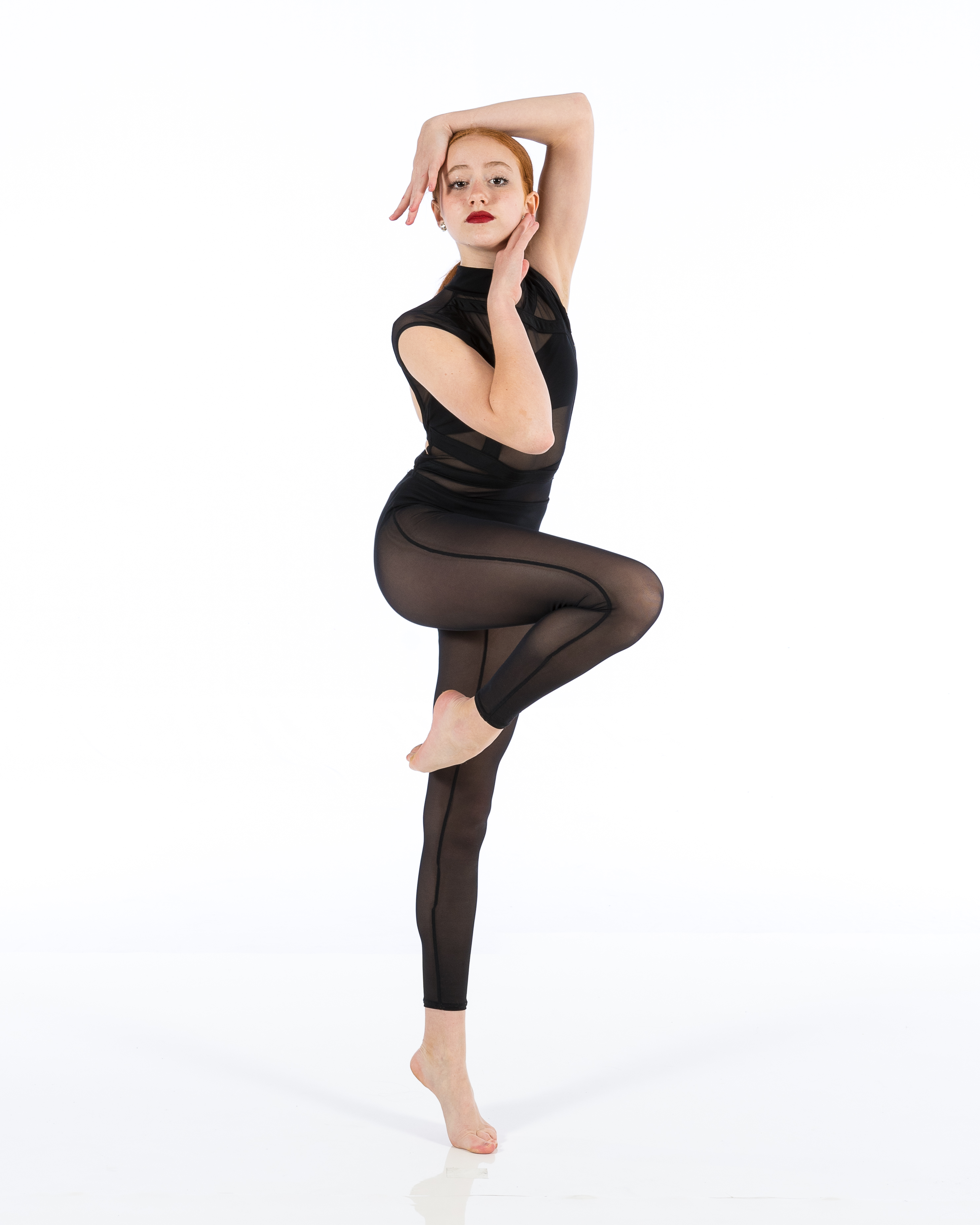
Contemporary combines elements from different genres like ballet, jazz, and modern dance.
Key Characteristics
- Fluid movements Emotional expression Diverse techniques
Assessing Your Child's Interests and Talents
Observing Natural Inclinations
One way to start Finding the Right Fit: Choosing a Dance Style for Your Child is by observing their inclinations toward certain activities. Do they love moving around when music plays? Are they drawn more towards structured forms like ballet or free-flowing styles like contemporary?
Talking About Preferences with Your Child
It's essential to involve your child in this decision-making process. Ask them what dance styles overview kind of music they enjoy or if there are specific dancers or performances they've seen that inspire them. Kids often know what excites them!
Age Considerations When Choosing a Dance Style
Starting Young: What’s Appropriate?
Different ages have different developmental stages which influence their readiness for various dance styles.
| Age Group | Recommended Styles | |-----------|-------------------| | 3–5 years | Creative Movement/Ballet | | 6–8 years | Jazz/Hip-Hop | | 9+ years | Ballet/Contemporary/Tap |
Choosing Between Recreational vs Competitive Classes
Recreational Classes: Fun First!
Recreational classes focus primarily on enjoyment rather than competition. These classes allow kids to explore different dance styles without pressure.
Competitive Classes: A Whole New Ball Game!
If your child shows exceptional talent or passion, competitive classes may be worth considering. However, keep in mind that these often require more commitment and practice time.
Location Matters: Finding Local Studios & Schools
Finding local studios with good reputations can make all the difference when choosing a dance style. Look for schools that offer trial classes so your child can experience different types before committing.
Cost Implications When Choosing a Dance Style
Dance can be pricey! Different styles come with varying costs linked to tuition fees, costumes, or even performance expenses.
| Style | Average Cost per Month | |------------|--------------------------| | Ballet | $100 - $200 | | Hip-Hop | $75 - $150 | | Tap | $80 - $160 |
Balancing Commitment with Other Activities
Does your child have other extracurricular commitments? Balancing school work, sports, hobbies—and now dance—can be tricky!
Trial Classes: A Must-Try Experience!
Many studios offer trial classes for new students where your child can dip their toes into various dance styles. Don’t skip this step!
The Role of Instructors in Your Child's Journey
Instructors are pivotal in shaping interest levels and skills development. Observe how they interact with students during trial classes.
Creating an Encouraging Environment at Home
Encouragement goes a long way! Create spaces at home where your kids feel comfortable practicing their moves without any judgments.
Incorporating Music at Home
Having music playing while your child engages in daily activities can help foster an early love for rhythm—essentially setting the stage for whatever dance style they choose!
The Importance of Social Interaction Through Dance
Whether dancing alone or in groups, interaction is crucial! Discussing experiences with peers can motivate children significantly.
Setting Realistic Expectations When Learning a New Style
Learning any new skill takes time—especially something as intricate as dancing! Setting realistic goals will help manage frustrations along the way.
How Can Parents Support Their Young Dancers?
Parents play an integral role in nurturing young dancers' interests through encouragement. Attend recitals whenever possible!
Health Considerations with Different Styles
Different dance styles engage varying muscle groups which means understanding physical limitations is essential before diving headfirst into any routine—especially if injuries occur!
Building Confidence Through Performance Opportunities
Nothing builds confidence quite like performing! Encourage participation in showcases so they get used to dancing before an audience.
Staying Updated With Trends in 'Dance Styles'
Keeping abreast with current trends will help you understand what might appeal most during lessons—whether it’s viral TikTok dances or Broadway-style numbers!
FAQs
What age should I enroll my child in dance classes? Most studios begin enrolling children around age three; however, consider personality traits too!
Can my child switch dance styles later on? Absolutely! Many dancers switch styles as they discover what resonates most over time.
Are family members allowed at recitals? Yes—family support enhances confidence levels during performances!
How do I know if my child enjoys dancing enough? Observe their excitement level during class trials; enthusiasm speaks volumes about interest levels!
Do I need special attire for different dance styles? Typically yes; each style has specific clothing requirements ranging from leotards (ballet) to sneakers (hip-hop).
Is it better to choose competitive versus recreational classes? It depends on your child's level of commitment; both have unique benefits depending on individual goals!
Conclusion
Choosing the right fit when it comes to finding a dance style for your child isn’t just about picking one off a shelf—it’s about exploring interests together while celebrating uniqueness every step along this journey known as life (and rhythm!). After going through this guide on Finding the Right Fit: Choosing a Dance Style for Your Child, hopefully you’re equipped with insights that’ll make this thrilling decision process smoother than a pirouette! Now go ahead—let those little feet find their groove!