Introduction
Welcome to the enchanting world of local youth performers, where every pirouette tells a story and every leap defies gravity! This article dives into the vibrant tapestry of talent that exists within modern dance classes Beaverton our communities, showcasing the stars of tomorrow who are lighting up stages with their passion for dance. With a spotlight on various dance styles, we aim to celebrate these young artists and their journeys through rhythm and movement. So, grab your dancing shoes as we explore the heart and soul behind ‘Dancing Stars’: Highlighting Local Youth Performers.
Dance Styles: A Kaleidoscope of Movement
When it comes to expressing oneself through dance, the options are as diverse as they are delightful. From classical ballet that whispers tales of elegance to hip-hop that shouts rebellion and freedom, each style offers a unique lens through which we can view the world.
The Elegance of Ballet
Ballet is often considered the foundation of many dance genres. Its emphasis on form, technique, and grace creates a mesmerizing experience for both dancers and audiences alike. Young performers who embrace ballet often find themselves captivated by its discipline.
Why Ballet Matters?
Have you ever wondered why ballet is so revered? It’s not just about pirouettes or pliés; it’s about building strength, flexibility, and an understanding of rhythm that serves as a cornerstone for many other dance styles.
The Energy of Hip-Hop
On the flip side, hip-hop brings a fresh energy that resonates with youth culture. It’s more than just a collection of moves; it's a vibrant form of self-expression that allows dancers to showcase their individuality.
What Makes Hip-Hop Unique?
Hip-hop embodies spontaneity. The freestyle elements encourage creativity and personal style. It challenges dancers to bring their flair to the forefront while connecting with their audience through infectious beats.
The Heartfelt Expression in Contemporary Dance
Contemporary dance breaks barriers by blending various styles and pushing traditional boundaries. It's often characterized by its emotional storytelling, allowing performers to convey deep feelings through innovative movements.
How Does Contemporary Dance Stand Out?
Unlike ballet or hip-hop, contemporary dance thrives on fluidity and improvisation. Dancers often draw inspiration from personal experiences, making each performance deeply personal and relatable.
Spotlight on Local Dance Studios: Nurturing Talent
Local dance studios are the lifeblood of community performance arts. They provide young dancers with training, mentorship, and opportunities to shine on stage.
Creating Opportunities for Youth Performers
Dance studios play an essential role in shaping young talents. They offer structured classes across various dance styles while also encouraging creativity.
What Makes a Good Dance Studio?
- Experienced instructors Diverse class offerings Positive environment for growth
Showcasing Talent Through Recitals
Recitals are like mini-Oscars for young dancers! They offer an opportunity for students to strut their stuff in front of family and friends—what could be more exhilarating?
Why Are Recitals Important?
Recitals build confidence! They teach dancers how to perform under pressure while fostering camaraderie among peers.
Community Involvement: Parents Supporting Young Performers
You might think that performance is solely about the dancer on stage—but what about those cheering from the sidelines? Parents play an invaluable role in nurturing these budding stars.
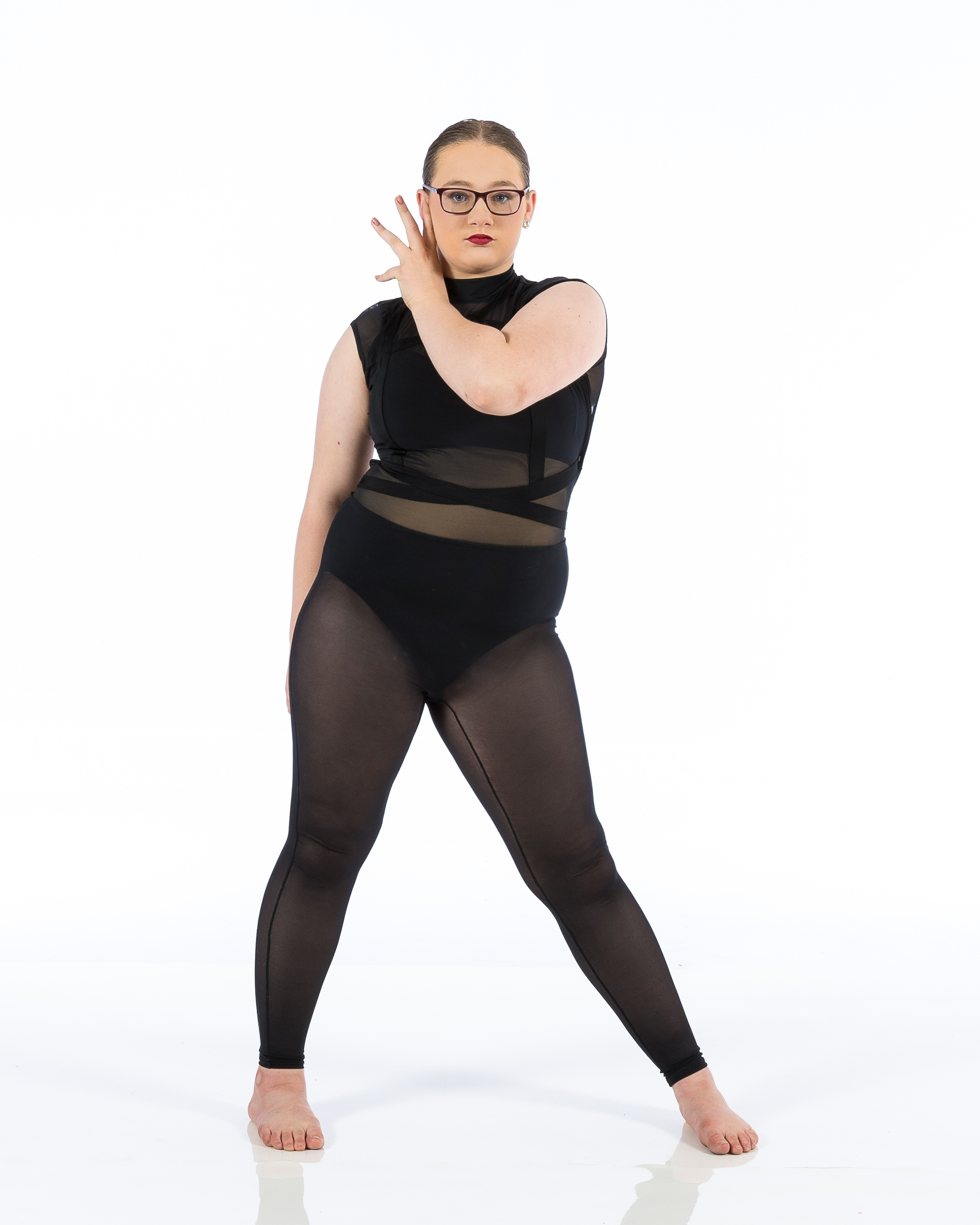
The Role of Parents in Dance Education
Parents support their kids' passions by driving them to classes, attending performances, and celebrating milestones along the way.
How Can Parents Get Involved?
- Volunteer at events Fundraise for studio needs Attend workshops together
Building a Supportive Community Network
Creating networks among parents fosters friendships outside the studio walls while encouraging a collective effort toward supporting young performers.
‘Dancing Stars’: Showcasing Local Competitions
Local competitions serve as platforms where young talents can demonstrate their skills while fostering healthy competition among peers.
Benefits of Participating in Competitions
Competitions can be nerve-wracking but equally rewarding! They allow dancers to gain valuable experience while receiving constructive feedback from judges.
What Should Dancers Expect at Competitions?
- Performance anxiety Learning experiences Opportunities for recognition
Celebrating Achievements: Awards & Recognition
Winning awards can be thrilling! However, even participating is an achievement worth celebrating because it indicates dedication and hard work!
Inspirational Stories Behind Young Dancers
Every dancer has a story—some may have faced challenges such as financial constraints or personal obstacles on their journey toward becoming stars.
Overcoming Adversity: Real-Life Examples
Let’s meet some incredible youth performers who’ve turned challenges into stepping stones! For instance:
Emily, who took her first ballet class after recovering from an injury. Jordan, who started dancing at 14 but captivated audiences with his hip-hop skills during local competitions. Sophie, who overcame shyness through contemporary dance classes and now commands attention on stage!
The Future of Dance: Trends Among Youth Performers
As we look towards tomorrow's stage stars, let’s explore emerging trends in youth dance culture!
Incorporating Technology into Dance
We live in exciting times where technology meets art! Young dancers are using apps to improve choreography or streaming performances online!
What Tech Tools Are Popular Among Dancers?
- Video editing software Social media platforms for promotion Online classes for remote learning
Blending Cultures Through Dance Styles
Youth today embrace cultural diversity more than ever before—leading to exciting fusions between different genres!
How Does Cultural Fusion Enrich Dance?
Combining styles like Bollywood with contemporary creates new forms that resonate globally while honoring traditions locally!
FAQs About ‘Dancing Stars’: Highlighting Local Youth Performers
What age should my child start dancing?
Most children begin around ages 3–5; however, it's never too late!
How do I choose the right dance style for my child?
Observe what excites them—each style offers unique benefits!
Are competitions worth it?
Absolutely! They provide invaluable experience & foster growth.
What should my child wear for class?
Comfort is key; most studios have dress codes depending on style.
How can I help my child overcome performance anxiety?
Encourage practice & focus on enjoyment rather than perfection.
Can boys participate in all types of dance forms?
Yes! All genders should feel free to explore whatever speaks to them!
Conclusion: Embracing Our ‘Dancing Stars’
As we wrap up this exploration Dance Styles in King City into ‘Dancing Stars’: Highlighting Local Youth Performers., let's remember how vital these young artists are in shaping our cultural landscape today—and tomorrow! Their passion fuels community spirit while reminding us all that talent knows no age limit or boundary when it comes to expression through movement! The next time you see local youth performers grace your stage—or even your social feeds—give them cheer loud enough so they know we’re watching with pride because they truly are our future stars shining brightly against life’s canvas!
Now go ahead—find your favorite local performance troupe or take part yourself—you might just ignite your own star power along the way!